
Building on Existing Engineering Studies for Kabul’s Water Security
Introduction
Reliable and sustainable water supply is one of the most urgent infrastructure priorities for Kabul and Kabul New City.
Between 2009 and 2013, extensive technical investigations, feasibility studies, and engineering plans were undertaken through cooperation between the Dehsabz City Development Authority (DCDA) and the Japan International Cooperation Agency (JICA). These studies examined the Sayad Fan Aquifer as a potential water source and investigated possible water-supply infrastructure for Kabul New City.
Why this initiative matters
ISRAND has reviewed the importance of this existing technical documentation and prepared an initiative recommending that original studies, field investigations, engineering drawings, and calculations be systematically retrieved, technically reviewed, and updated where necessary.
Make maximum use of existing scientific and engineering studies before commissioning additional investigations.
This approach can help avoid unnecessary duplication, preserve valuable engineering knowledge, and provide a sound technical basis for future water-supply planning. The initiative is presented in the ISRAND technical report identified at the end of this article.
ISRAND’s Contribution
ISRAND has undertaken an initiative to preserve, organize, and make better use of the extensive technical studies previously prepared by DCDA and JICA.
1. Technical Documentation and Accessibility
ISRAND has compiled and organized existing engineering studies, feasibility reports, field investigations, and planning documents to facilitate access for institutions, engineers, and other professionals.
2. Making Technical Knowledge Understandable
ISRAND has summarized complex findings, technical plans, and quantitative information for officials, decision-makers, investors, journalists, and the general public.
3. A Practical Approach for Future Development
ISRAND recommends reviewing historical findings against present conditions and updating or supplementing investigations, calculations, and designs only where technically necessary.
Historical JICA–DCDA Engineering Studies
The historical investigations provide a substantial technical foundation for evaluating the Sayad water-source concept. The original work included geophysical investigations, test wells, monitoring, canal-flow measurements, and pumping tests.
HISTORICAL PLANNING REQUIREMENT
22.3 + 30.5 = 52.8 million m³/year
This is an additional historical planned water requirement, not a verified current sustainable groundwater yield. Technical assumptions and present-day conditions require reassessment.
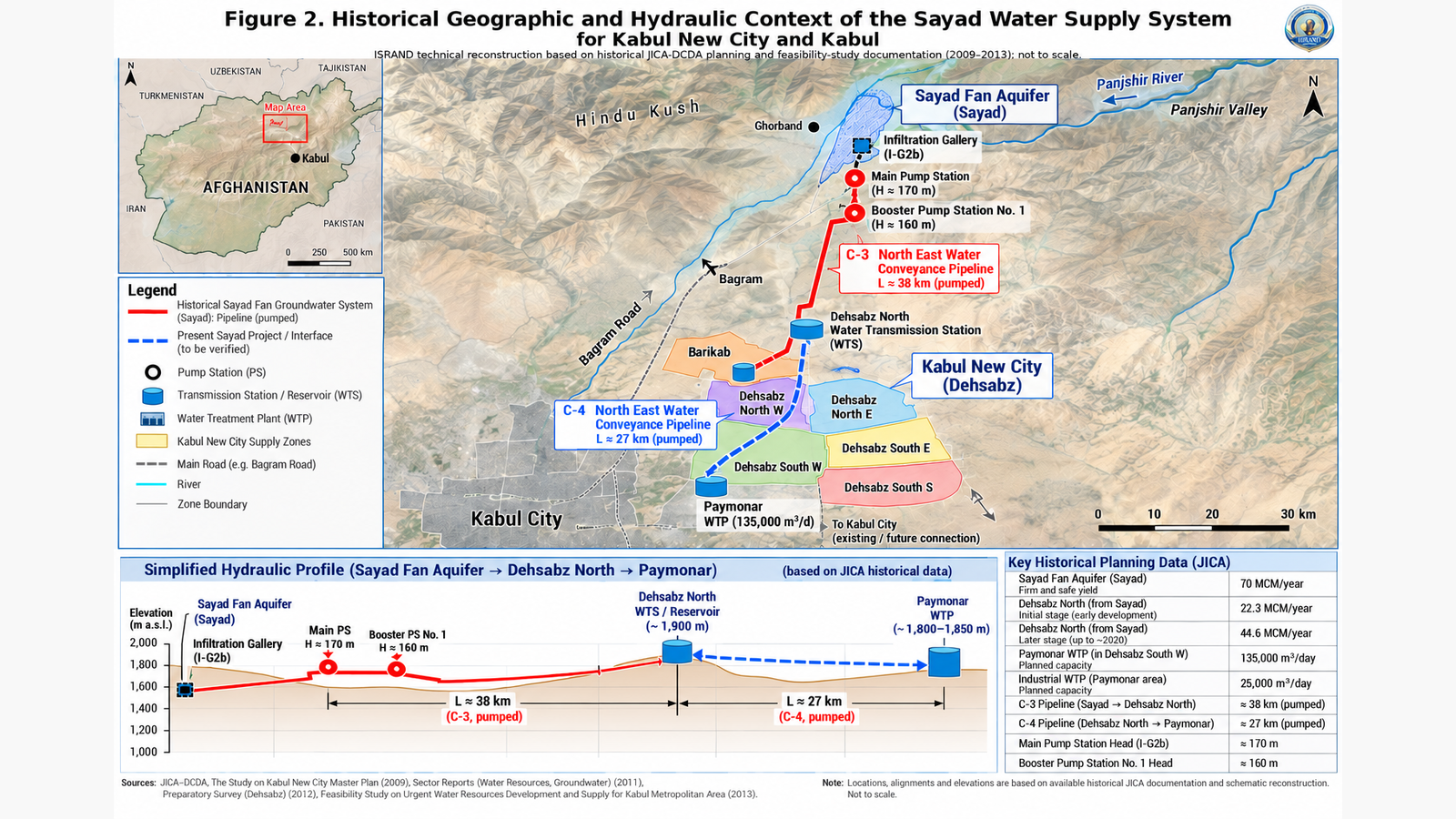
Figure 2 — Historical Geographic and Hydraulic Context
Supporting Informed Water-Supply Decisions
ISRAND proposes that the original DCDA–JICA technical records be made accessible to the relevant government institutions and qualified technical professionals as a basis for coordinated review. The Ministry of Energy and Water retains its institutional responsibilities for the sector.
Retrieve → Review → Update
Pashto Version
The full Pashto version of this report is also available for readers.
The purpose is to preserve valuable engineering knowledge, avoid unnecessary duplication, and identify what additional verification is required under current hydrological, environmental, and demand conditions. ISRAND’s role is technical documentation and advisory support, not implementation of the water-supply project.
Conclusions and Next Steps
The earlier JICA–DCDA investigations represent an important body of engineering knowledge for the future water-supply planning of Kabul New City.
ISRAND’s initiative aims to ensure that this existing knowledge is preserved, accessible, and properly considered in future planning and decision-making.
1. Retrieve and organize the available technical reports, field investigations, calculations, maps, and engineering drawings.
2. Review and verify the historical findings against current hydrological, environmental, and water-demand conditions.
3. Update and supplement the existing studies where technically necessary.
4. Support coordinated decision-making by providing relevant government institutions and technical professionals with a consolidated information base.
Conclusions — Key Qualification
The historical investigations provide a valuable starting point. However, their findings should not be interpreted as confirmation of the present-day sustainable water availability without appropriate technical verification.
The guiding principle is to build on existing engineering knowledge rather than unnecessarily repeat previous investigations.
Technical Documentation
ISRAND has prepared a technical report presenting the available historical information, key engineering findings, and recommendations for further technical review.
TECHNICAL REPORT
Sayad Water Source – Assessment of Previous JICA–DCDA Technical Studies, Field Investigations and Engineering Documents for Water Supply to Kabul City and Kabul New City
Document Reference: ISRAND-WAT-TR-2026-01 • Revision: 02 | October 2026
Author: Dipl.-Ing. (VDI) G. S. Hassanzadah Shinwari
Sources and References
The technical information presented in this article is based on historical JICA–DCDA studies and the documentation reviewed and compiled in the ISRAND technical report.
Readers requiring detailed technical information, historical data, engineering drawings, and references are encouraged to consult the complete report and its supporting documentation.